Living With

Numbness or Tingling?

Get Answers. Calm Symptoms. Move with more confidence.

Find the source of the sensation, relieve the pressure, and get back to feeling like yourself again.

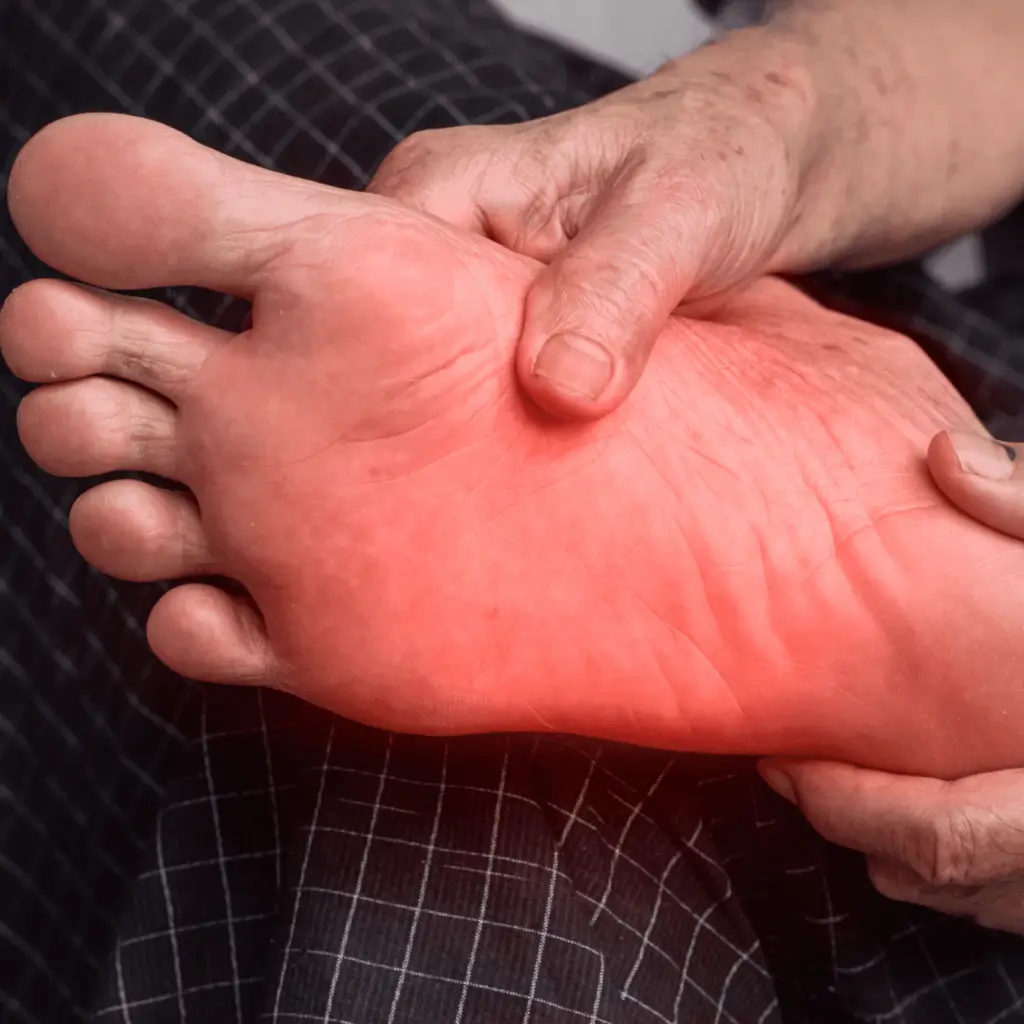
foot with redness indicating numbness or tingling.
Shawn Parsons

Patient

"The full package. This man has fixed more things with me than I realized were broken. I was “working myself to death”, when I first came here. He took me from a very bad state of health to being very energetic, active, and eliminated my anxiety. He has given me back my life!" -Shawn

Leonie Lamothe

Patient

"Michel Brosseau is an extremely knowlegeable and very competent chiropractor. Éliane the assistant/ receptionist is very welcoming and very accomodating. My husband and I have been patients at McLeod Street Chiropractic for a few hears now and we are very pleased with Michel Brosseau’s treatments and ongoing maintenance ." -Leonie

Michael Smith Dragon

Patient

"Dr Brosseau is kind and professional. He did a thorough assessment of me and sent me for x-rays. X-ray showed that I need surgery. Thus Dr Brosseau doesn't recommend Chiropractic treatment but that I should speak to my family doctor regarding my chronic problem. I appreciate Dr Brosseau giving me his honest professional opinion." -Michael

Jennie May Ellis

Patient

"I've been a patient of Dr. Brosseau's for a bit over a year and I'm so greatful. He has treated the osteoarthritis in my neck along with other spinal and hip alignment issues. It's been fantastic! I have recommended him to members of my family and they've had excellent results too. I go to him regularly now to keep everything in-line and working fine!" -Jennie

Shawn Cook

Patient

"Dr. Brosseau patiently took a digital scan and physical assessment and clearly defined the strategy for treatment. It was agreed that I would receive an adjustment that day and walked out of there feeling better. I returned weekly for subsequent visits. Dr Brosseau is very professional and extremely knowledgeable in many areas of care." -Shawn

Eva Lopéz

Patient

"Went in for a work injury and Dr. Brosseau gave me an adjustment and put my rib back in place. He had me fixed in one visit. Best chiropractic experience. His receptionist Ashley is professional and absolutely lovely." -Eva

Shayne Beausoleil

Patient

"Dr Brosseau cares about his patients and has helped me with many issues." -Shayne

Tammy-lynn Wilcox

Patient

"Dr. Brosseau and Ashley (receptionist) are both very professional, and personable. You are greeted with smiles and friendly conversation each visit. Dr. B makes you feel very comfortable with his knowledge-base, taking time to answer questions as they present. While also keeping you on your toes, by laughing (or shaking your head with a smirk) at his quirky jokes." -Tammy-lynn

Miss. Doll

Patient

"Friendly staff. If you have any kind of pain, the doctor will do his best to help relieve it. I’ve only had one adjustment and I feel the results already!!!" - Miss. Doll

Susanne Buott

Patient

"He is honest, dedicated, knowledgeable and professional with a witty sense of humor that brightens every visit. The receptionist is also very friendly and personable and the office has a warm, welcoming atmosphere. I drive all the way out from Chelmsford twice a week for my visits and it is definitely worth it!" -Susanne

96.5% Patient Satisfaction

happy patient after successful chiropractic session.
Smiling patient after successful treatment.
patient expressing satisfaction after effective pain management treatment.
content patient leaving clinic after receiving personalized care.
patient feeling relieved and satisfied after a successful therapy session.
Numbness Or Tingling Shouldn’t Control Your Day;

Understand the Cause, Calm the Symptoms, and Start Moving With Confidence Again.

Less nerve irritation. Better movement. More confidence in your body.

Numbness & Tingling Overview

Numbness and tingling are common symptoms that can arise from various medical conditions, affecting millions annually. These sensations typically occur in the hands, feet, arms, and legs, but can manifest anywhere in the body. They often indicate underlying issues with nerves or blood circulation.

Symptoms that signal a need for help:

If numbness or tingling keeps showing up, your body may be telling you something needs attention.


Here are the signs it may be time to visit us:

  • Persistent Numbness: A lack of sensation that does not resolve on its own or keeps returning.
  • Recurring Tingling: A “pins and needles” feeling that frequently reoccurs, lingers, or becomes harder to ignore.
  • Associated Pain: Numbness or tingling that comes with pain, discomfort, burning, tightness, or irritation.
  • Sudden Weakness: Weakness in the arms, legs, hands, feet, or other areas where numbness is present.
  • Understanding Numbness and Tingling: These symptoms can be temporary or chronic, mild or severe, and may worsen with certain positions or activities. While sometimes minor, they can also signal deeper nerve, joint, spinal, or circulation-related issues.

Common Causes of numbness and tingling

Your habits, routine, accident, or injury can cause back pain. Our chiropractic care effectively addresses all stages of back pain—whether acute, subacute, or chronic. From sudden onset back pain to persistent pain lasting more than 12 weeks, we tackle the many different causes, ensuring personalized treatment plans that focus on long-term relief and not just temporary fixes. Some of the most common causes of back pain we treat include:

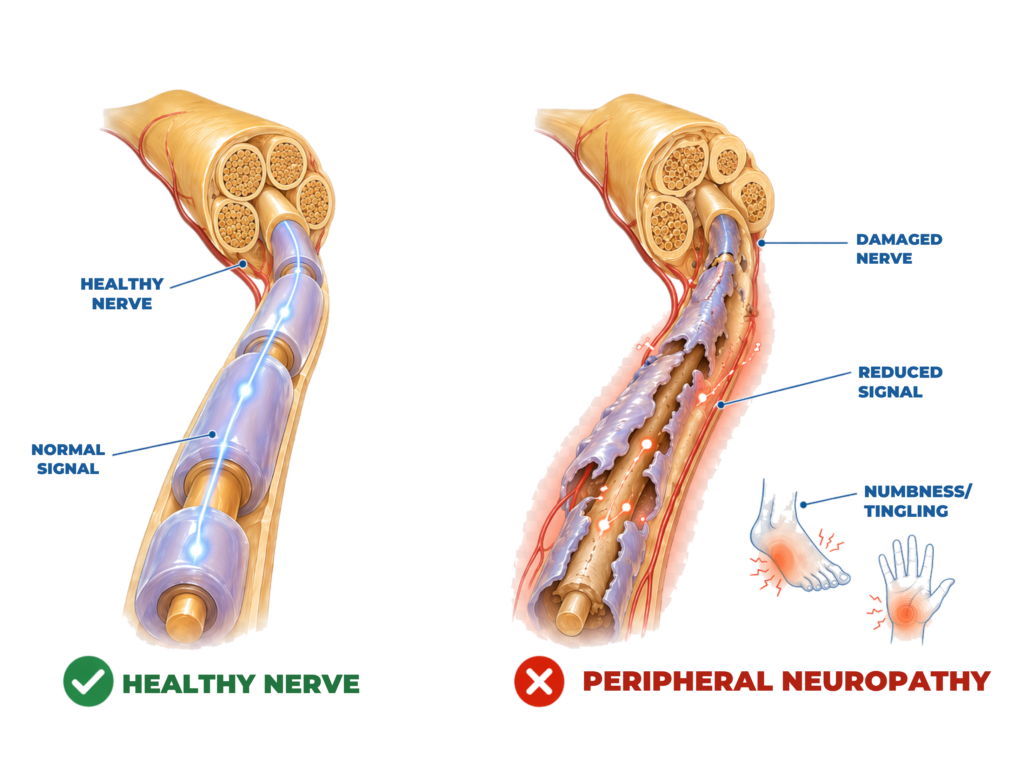
Peripheral neuropathy happens when nerves outside the brain and spinal cord become irritated, damaged, or unable to communicate properly.

This can lead to numbness, tingling, burning, weakness, sensitivity, or “pins and needles” sensations — often felt in the hands, feet, arms, or legs.

Common contributors may include:

  • Nerve Irritation: Nerves can become irritated from pressure, inflammation, repetitive strain, poor posture, or mechanical stress through the spine and surrounding tissues.
  • Circulation Issues: Reduced blood flow can affect how well nerves receive oxygen and nutrients, making symptoms like tingling, coldness, or numbness more noticeable.
  • Metabolic Or Nutritional Factors: Blood sugar changes, vitamin deficiencies, thyroid issues, and other health factors may contribute to nerve-related symptoms and should be properly evaluated.
  • Repetitive Stress: Repeated movements, prolonged sitting, awkward work positions, or compression through the wrists, elbows, neck, low back, or hips may aggravate nerve pathways.
  • A Proper Assessment Matters: Because numbness and tingling can come from multiple causes, a focused evaluation helps identify whether symptoms are related to spinal movement, nerve compression, circulation, or other health factors.

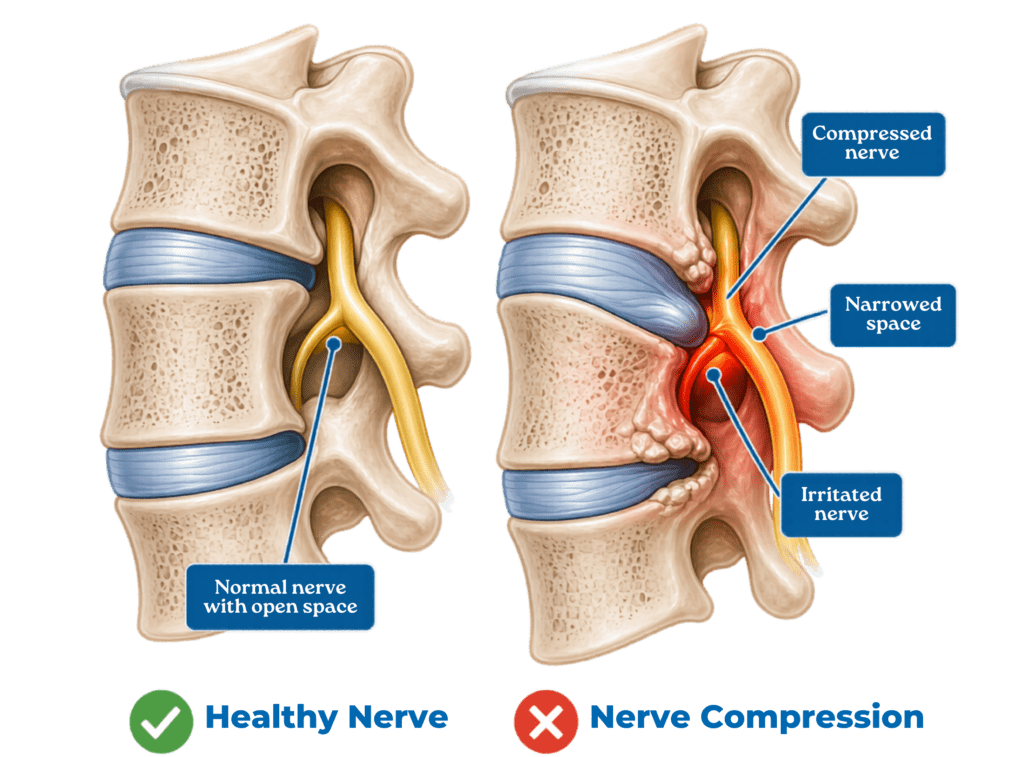
Nerve compression happens when a nerve is placed under pressure — such as with carpal tunnel syndrome, or a pinched nerve in the neck, back, shoulder, hip, wrist, or elbow.

This pressure can interfere with normal nerve communication and may lead to numbness, tingling, burning, weakness, radiating pain, or “pins and needles” sensations.

Common contributors may include:

  • Carpal Tunnel Syndrome: Compression through the wrist can affect the median nerve and may cause numbness, tingling, weakness, or discomfort through the hand, fingers, or forearm.
  • Pinched Nerves In The Neck Or Back: Nerve pressure in the spine can create symptoms that travel into the shoulders, arms, hands, hips, legs, or feet depending on which nerve pathway is affected.
  • Disc-Related Pressure: Disc bulges, herniations, or degenerative changes can reduce space around nerve pathways and contribute to symptoms that radiate away from the spine.
  • Muscle Tension And Joint Restriction: Tight muscles or restricted joints can create mechanical stress around sensitive nerve pathways, especially through the neck, shoulders, low back, hips, and glutes.
  • Poor Posture And Repetitive Strain: Forward head posture, rounded shoulders, slumped sitting, heavy lifting, device use, or repeated motions can overload tissues and increase pressure around nerves over time.
  • A Proper Assessment Matters: Because nerve compression can come from the spine, muscles, joints, discs, wrists, elbows, or daily habits, a focused evaluation helps identify where the pressure may be coming from and what can be done to reduce it.

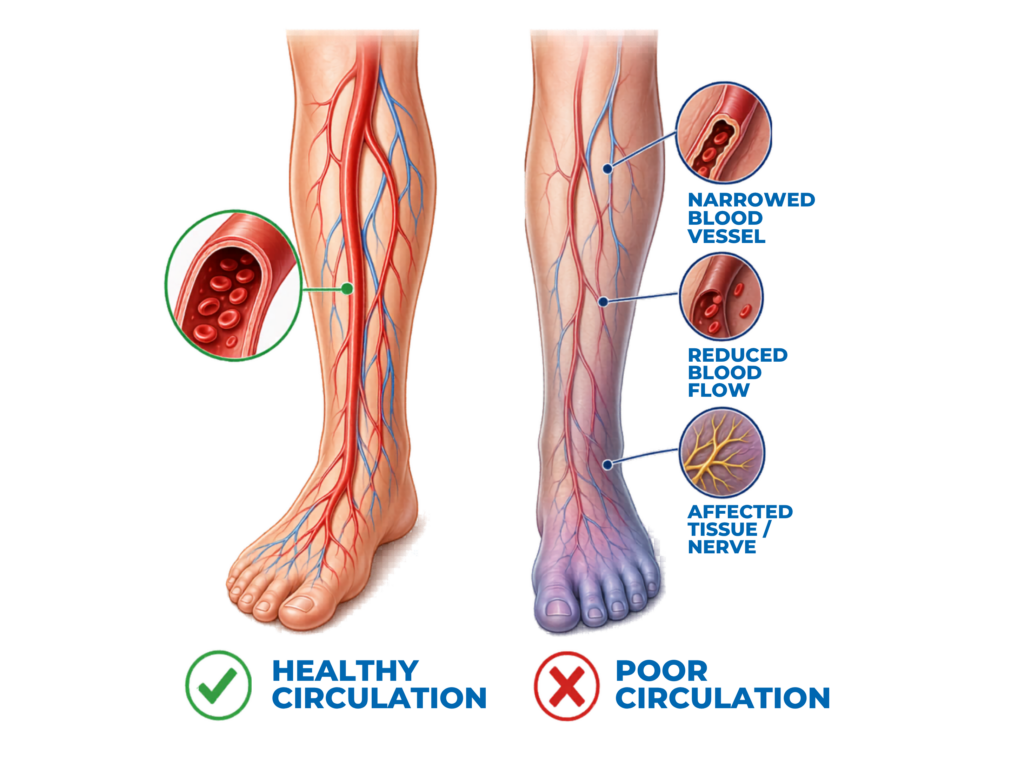
Poor circulation can reduce healthy blood flow to the nerves, muscles, hands, feet, arms, and legs — which may contribute to numbness, tingling, coldness, heaviness, or weakness.

Conditions like peripheral artery disease, circulation issues, inflammation, or prolonged pressure can make it harder for tissues and nerves to receive the oxygen and nutrients they need.

Common contributors may include:

  • Peripheral Artery Disease: Narrowed blood vessels can reduce blood flow to the arms, legs, hands, or feet, sometimes contributing to numbness, tingling, cramping, coldness, or fatigue.
  • Prolonged Pressure: Sitting, standing, leaning, or holding one position for too long can reduce circulation and place added pressure on nerves and surrounding tissues.
  • Inflammation And Swelling: Swelling around joints, muscles, or soft tissues can limit comfortable movement, affect circulation, and increase pressure around sensitive nerve pathways.
  • Low Activity Levels: Lack of movement can reduce circulation, increase stiffness, and make symptoms more noticeable — especially in the hands, feet, legs, or areas already under stress.
  • Lifestyle And Health Factors: Smoking, diabetes, high blood pressure, poor nutrition, dehydration, and other health factors may affect circulation and should be discussed with a healthcare provider.
  • A Proper Assessment Matters: Because numbness and tingling can come from circulation, nerve compression, spinal movement, or other health factors, a focused evaluation helps determine the most appropriate next step.

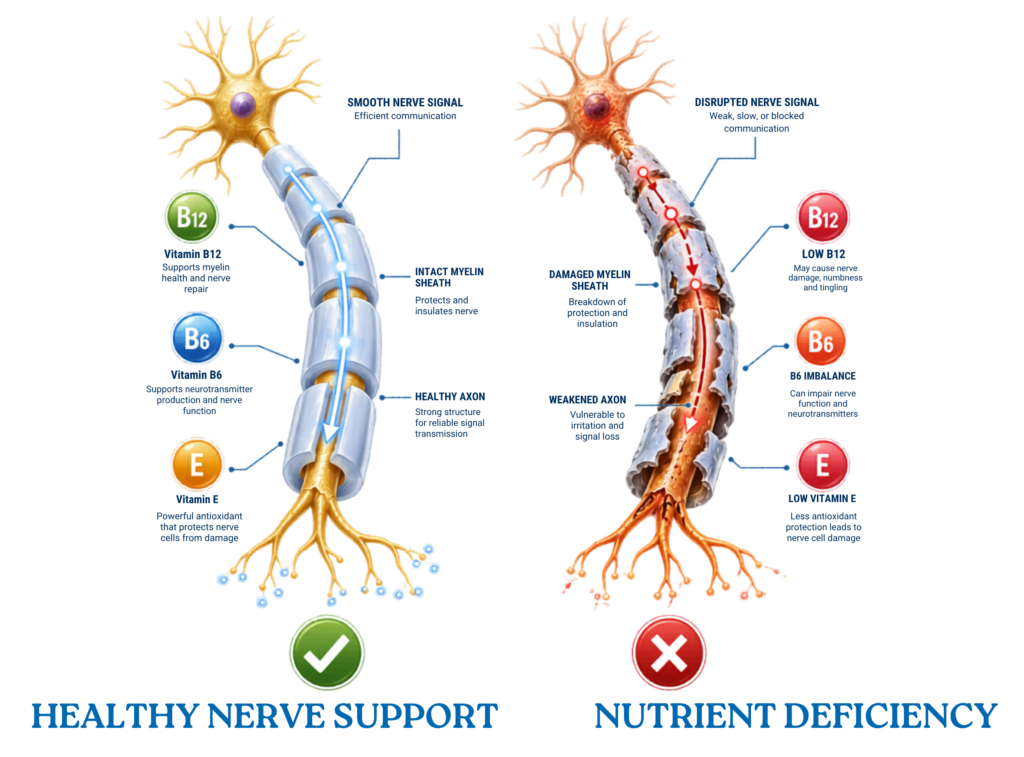
Nutrient deficiencies can affect nerve health, muscle function, circulation, energy, and the way your body repairs and communicates.

Certain deficiencies — particularly vitamins B12, B6, and E — may contribute to numbness, tingling, weakness, burning sensations, or “pins and needles” symptoms.

Common nutrient-related factors may include:

  • Vitamin B12 Deficiency: B12 is important for healthy nerve function and red blood cell production. Low levels may contribute to numbness, tingling, fatigue, weakness, or balance changes.
  • Vitamin B6 Imbalance: B6 helps support nerve communication, but both too little and too much can be a problem. If symptoms persist, it is worth reviewing supplement use and intake with a healthcare provider.
  • Vitamin E Deficiency: Vitamin E supports nerve and cell health. Low levels may affect coordination, sensation, and normal nerve function in some people.
  • Poor Absorption: Digestive issues, certain medications, restrictive diets, and some health conditions can make it harder for the body to absorb the nutrients nerves need.
  • Low Protein Or Poor Diet Quality: Nerves, muscles, and tissues need consistent nutritional support. Diets low in protein, healthy fats, minerals, or whole foods may slow recovery and affect overall function.
  • A Proper Assessment Matters: Because numbness and tingling can come from deficiencies, nerve compression, circulation issues, spinal movement, or other health factors, persistent symptoms should be properly evaluated instead of guessed at.


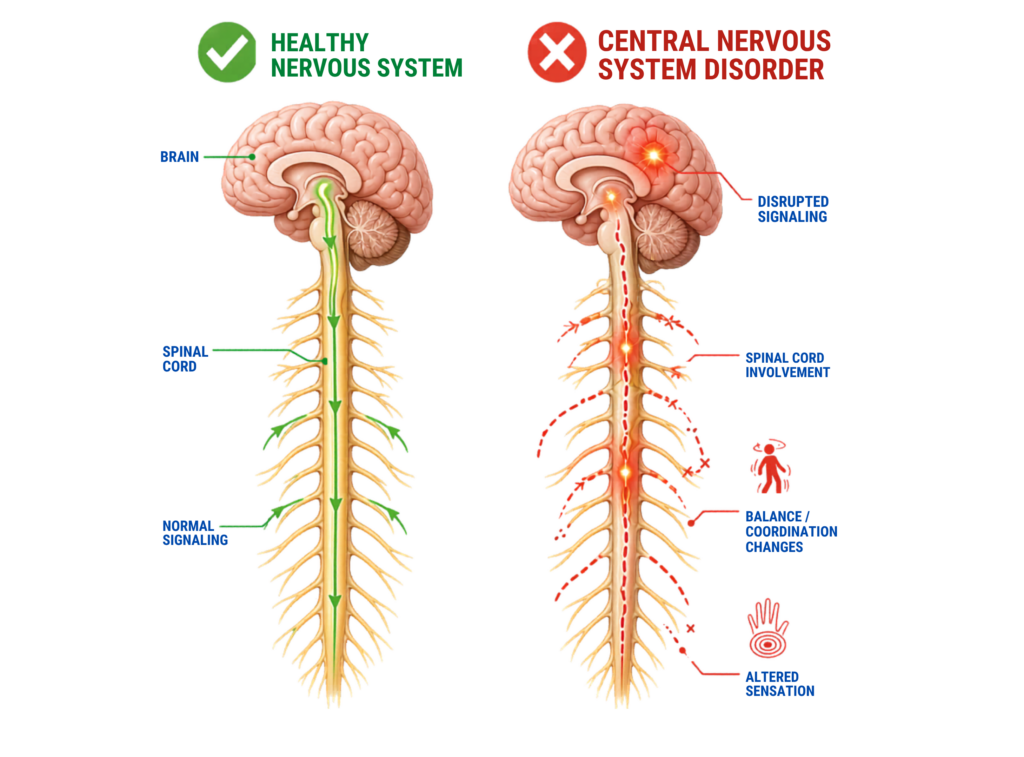
Central nervous system disorders can affect the brain, spinal cord, and the way nerves communicate with the rest of the body.

Conditions such as multiple sclerosis, stroke, spinal cord irritation, or other neurological concerns may contribute to numbness, tingling, weakness, balance changes, coordination issues, or altered sensation.

Important factors to understand include:

  • Multiple Sclerosis:
    MS can affect nerve signaling in the brain and spinal cord, sometimes leading to numbness, tingling, weakness, vision changes, balance issues, fatigue, or symptoms that come and go.
  • Stroke Or TIA Symptoms:
    Sudden numbness, weakness, facial drooping, confusion, trouble speaking, vision changes, dizziness, or loss of coordination may be signs of a medical emergency and should be evaluated immediately.
  • Spinal Cord Involvement:
    Irritation or compression involving the spinal cord can create symptoms that feel different than simple muscle tension, including changes in strength, coordination, walking, or sensation.
  • Symptoms On Both Sides:
    Numbness or tingling affecting both sides of the body, multiple areas at once, or changing patterns of sensation may require a more comprehensive neurological evaluation.
  • Balance Or Coordination Changes:
    Trouble walking, clumsiness, falls, weakness, dizziness, or difficulty controlling movement should not be brushed off when paired with numbness or tingling.
  • A Proper Assessment Matters:
    Because numbness and tingling can come from the spine, nerves, circulation, nutrition, or central nervous system conditions, the safest first step is identifying whether symptoms need chiropractic care, medical testing, or urgent evaluation.

At Mcleod Street Chiropractic We Believe People Deserve to Be Healthy & Live Their Best Life

Risk Factors

Several factors can increase your risk of developing numbness and tingling — especially when nerves are irritated, compressed, inflamed, or placed under repeated stress.

Understanding these risk factors can help you take smarter steps to protect your nerves, improve circulation, reduce unnecessary pressure, and support better movement before symptoms become harder to ignore.

Diabetes

High Blood Sugar Levels Can Damage Nerves

Repetitive Motion Tasks

Can Lead to Nerve Compression.

Injury

Trauma to Nerves or Blood Vessels Can Cause These Symptoms.

Smoking and Alcohol Use

Both Can Affect Circulation and Nerve Health.

Age

Older Adults Are More Prone to Conditions That Cause These Symptoms.

Book Your Appointment

Relieve irritation. Restore confidence. Get back to feeling like yourself.

When to Seek Treatment for Numbness and Tingling

Numbness and tingling are signs your nerves may be irritated, compressed, or not communicating the way they should.

It is important to get evaluated if you experience:

  • Symptoms That Spread: Numbness, tingling, burning, or weakness spreading across an area, down an arm or leg, or into your hands or feet.
  • Daily Life Disruption: Symptoms that interfere with work, sleep, walking, gripping, exercising, or normal day-to-day movement.
  • Sudden Or Rapid Onset: Symptoms that appear quickly, especially when paired with other concerning signs such as confusion, facial drooping, speech trouble, severe weakness, or loss of coordination.
  • Persistent Or Worsening Symptoms: Numbness or tingling that does not improve, keeps returning, or gets worse despite rest, posture changes, stretching, or over-the-counter remedies.

Treatment Approaches include:

Treatment for numbness and tingling starts with understanding where the nerve irritation is coming from and what is contributing to the symptoms.

Your care plan may include:

  • Chiropractic Adjustments: To help improve spinal alignment, restore better joint movement, and reduce pressure or irritation affecting the nerves.
  • Lifestyle Modifications: Practical recommendations to improve posture, reduce repetitive strain, adjust daily habits, and limit positions that may aggravate nerve symptoms.
  • Nutritional Guidance: Supportive guidance to help identify possible nutrition gaps that may affect nerve health, inflammation, recovery, or overall function.
Don’t let numbness and tingling disrupt your life. Schedule an appointment today and begin your journey back to full health and comfort. Our targeted approach helps eliminate discomfort and prevent its recurrence, restoring your quality of life.

It's Easy To Get Started

Nerve Health Assessment

Start with a focused evaluation to understand where the numbness or tingling may be coming from — including spinal movement, nerve irritation, posture, lifestyle factors, and how your body is compensating.

Personalized Relief Strategy

Based on your assessment, we’ll create a care plan focused on reducing nerve irritation, improving movement, and addressing the underlying factors contributing to your symptoms.

Targeted Care + Support

Begin chiropractic care and supportive recommendations designed to calm symptoms, reduce pressure, restore mobility, and help your body function better.

Move With More Confidence

Get back to working, resting, moving, and living with more confidence — with a plan that supports better nerve function and long-term spinal health.

Ready To Calm The Numbness And Tingling?

Protect Your Nerves Before Small Symptoms Become Bigger Problems.

Help your nerves communicate better by protecting how your body moves every day.

Regular movement can help support healthy circulation, stronger muscles, better posture, and healthier nerve function.

Use exercise to keep your body moving well and reduce the risk of nerve irritation:

  • Choose Low-Impact Movement: Walking, swimming, cycling, yoga, and gentle mobility work can help improve circulation and reduce stiffness without overloading your joints or spine.
  • Build Spinal Support: Strengthening your core, back, hips, and shoulders helps support better posture and may reduce pressure on irritated nerves.
  • Improve Flexibility: Gentle stretching can help reduce tightness through the neck, shoulders, back, hips, and legs — areas that may contribute to numbness or tingling when irritated.
  • Break Up Inactivity: Long periods of sitting or standing can increase stiffness and pressure. Take short movement breaks throughout the day to keep blood flow and nerve communication moving.
  • Progress Gradually: Start slowly and build consistency. Pushing too hard too soon can flare symptoms, while steady movement helps your body adapt safely.

A healthy diet can help support nerve function, circulation, tissue repair, energy, and overall spinal health.

Use nutrition to support your body from the inside out:

  • Support Nerve Health: Nutrients like B vitamins, magnesium, healthy fats, and protein help support normal nerve function, muscle health, and recovery.
  • Stay Hydrated: Proper hydration helps support circulation, tissue health, joint movement, and the fluid balance your nerves and muscles need to function well.
  • Choose Whole Foods: Build meals around lean proteins, vegetables, fruits, whole grains, healthy fats, and nutrient-dense foods that support energy and recovery.
  • Reduce Inflammatory Load: Limiting highly processed foods, excess sugar, and poor-quality fats may help support healthier inflammation levels and better overall function.
  • Pay Attention To Deficiencies: Certain deficiencies may contribute to nerve-related symptoms. If numbness or tingling persists, ask a healthcare provider whether bloodwork or nutritional guidance is appropriate.
Adjust workspaces to reduce strain and prevent nerve compression.

Better ergonomics can help reduce pressure on nerves by improving how your spine, shoulders, arms, wrists, hips, and legs are supported throughout the day.

Set up your daily environment to reduce strain and support healthier nerve function:

  • Support Your Spine: Use a chair that supports your lower back and helps you sit upright without slouching, rounding forward, or collapsing into one side.
  • Keep Screens At Eye Level: Position your monitor, phone, or tablet so your head stays stacked over your shoulders instead of pulling forward and increasing strain through your neck and upper back.
  • Protect Your Wrists And Hands: Keep your keyboard, mouse, and work tools positioned so your wrists stay neutral and your arms are not constantly reaching, bending, or compressing sensitive areas.
  • Support Your Feet And Hips: Keep your feet flat on the floor or on a footrest so your hips, knees, and lower back stay better aligned and supported.
  • Avoid Prolonged Compression: Try not to lean on your elbows, sit on a wallet, cross your legs for long periods, or hold positions that may compress nerves and contribute to tingling.
  • Take Reset Breaks: Change positions, stand, stretch, or walk briefly throughout the day so pressure and stiffness do not build around irritated nerves.

Reducing exposure to toxins can help support healthier nerves, better circulation, and overall body function.

Protect your nervous system by limiting habits and exposures that may contribute to irritation, inflammation, or poor circulation:

  • Avoid Smoking And Nicotine: Smoking and nicotine can affect circulation, tissue repair, and overall nerve health. Reducing or quitting can support better healing and long-term function.
  • Limit Alcohol Intake: Excess alcohol can affect nerve health, hydration, sleep quality, and recovery. Keeping intake moderate can help reduce unnecessary stress on the body.
  • Reduce Chemical Exposure: Use proper ventilation and protective equipment when working around solvents, cleaners, fumes, pesticides, or other harsh chemicals that may irritate the body.
  • Choose Cleaner Daily Products: When possible, choose lower-toxin household cleaners, personal care products, and workplace materials to reduce unnecessary exposure over time.
  • Support Detox Pathways Naturally: Hydration, movement, quality sleep, balanced nutrition, and regular bowel habits all help your body process and eliminate everyday exposures more effectively.
  • Get Checked If Symptoms Persist: If numbness or tingling continues, worsens, or spreads, a healthcare provider can help determine whether nerve irritation, deficiency, circulation, medication, or exposure-related factors may be involved.

Chiropractic care can help identify whether numbness or tingling is connected to spinal movement, nerve irritation, posture, or pressure through the body.

If symptoms keep returning, spreading, or interfering with your day, a proper assessment can help you understand what may be contributing:

  • Assess Nerve Irritation: A chiropractor can evaluate how your spine, joints, muscles, and movement patterns may be contributing to numbness, tingling, burning, or weakness.
  • Improve Spinal Movement: Chiropractic adjustments may help restore better joint motion and reduce mechanical stress that can contribute to irritated or compressed nerves.
  • Support Better Posture: Care may include posture guidance, ergonomic recommendations, and movement strategies to reduce daily positions that place pressure on sensitive nerve pathways.
  • Reduce Compensation Patterns: When one area is stiff, painful, or not moving well, nearby muscles and joints often compensate. Addressing these patterns can help reduce recurring strain.
  • Create A Clear Care Plan: Instead of guessing, chiropractic care gives you a more structured plan focused on calming symptoms, improving movement, and supporting better long-term function.
  • Know When To Refer: If symptoms suggest something outside the scope of chiropractic care, your provider can help guide you toward the appropriate medical evaluation.

If numbness or tingling keeps coming back, spreading, or interfering with daily life, our team can help you understand what may be causing it.

At McLeod Street Chiropractic, we focus on identifying the root cause, reducing nerve irritation, and helping your body move and function better:

  • Focused Assessment: We evaluate your symptoms, spinal movement, posture, muscle tension, nerve irritation, and daily habits to better understand what may be contributing.
  • Personalized Care Plan: Your care is built around your body, your symptoms, and your goals — not a one-size-fits-all approach.
  • Nerve-Focused Support: Care may include chiropractic adjustments, movement support, posture guidance, and recommendations to reduce pressure on irritated nerve pathways.
  • Better Daily Habits: We help you identify positions, routines, or lifestyle factors that may be feeding your symptoms so you can make smarter changes outside the clinic.
  • Clear Next Steps: You leave with a better understanding of what is happening, what can be done, and how to start moving toward relief and better function.

Gain Your Elite Advantage

Actionable Tips And Insights For Winning Your Day