Living With

Headaches or Migraines?

Clear The Pressure. Calm the pain. Get back to life.

Discover a gentle, drug-free approach to headache and migraine relief.

person holding their head with a pained expression
Shawn Parsons

Patient

"The full package. This man has fixed more things with me than I realized were broken. I was “working myself to death”, when I first came here. He took me from a very bad state of health to being very energetic, active, and eliminated my anxiety. He has given me back my life!" -Shawn

Leonie Lamothe

Patient

"Michel Brosseau is an extremely knowlegeable and very competent chiropractor. Éliane the assistant/ receptionist is very welcoming and very accomodating. My husband and I have been patients at McLeod Street Chiropractic for a few hears now and we are very pleased with Michel Brosseau’s treatments and ongoing maintenance ." -Leonie

Michael Smith Dragon

Patient

"Dr Brosseau is kind and professional. He did a thorough assessment of me and sent me for x-rays. X-ray showed that I need surgery. Thus Dr Brosseau doesn't recommend Chiropractic treatment but that I should speak to my family doctor regarding my chronic problem. I appreciate Dr Brosseau giving me his honest professional opinion." -Michael

Jennie May Ellis

Patient

"I've been a patient of Dr. Brosseau's for a bit over a year and I'm so greatful. He has treated the osteoarthritis in my neck along with other spinal and hip alignment issues. It's been fantastic! I have recommended him to members of my family and they've had excellent results too. I go to him regularly now to keep everything in-line and working fine!" -Jennie

Shawn Cook

Patient

"Dr. Brosseau patiently took a digital scan and physical assessment and clearly defined the strategy for treatment. It was agreed that I would receive an adjustment that day and walked out of there feeling better. I returned weekly for subsequent visits. Dr Brosseau is very professional and extremely knowledgeable in many areas of care." -Shawn

Eva Lopéz

Patient

"Went in for a work injury and Dr. Brosseau gave me an adjustment and put my rib back in place. He had me fixed in one visit. Best chiropractic experience. His receptionist Ashley is professional and absolutely lovely." -Eva

Shayne Beausoleil

Patient

"Dr Brosseau cares about his patients and has helped me with many issues." -Shayne

Tammy-lynn Wilcox

Patient

"Dr. Brosseau and Ashley (receptionist) are both very professional, and personable. You are greeted with smiles and friendly conversation each visit. Dr. B makes you feel very comfortable with his knowledge-base, taking time to answer questions as they present. While also keeping you on your toes, by laughing (or shaking your head with a smirk) at his quirky jokes." -Tammy-lynn

Miss. Doll

Patient

"Friendly staff. If you have any kind of pain, the doctor will do his best to help relieve it. I’ve only had one adjustment and I feel the results already!!!" - Miss. Doll

Susanne Buott

Patient

"He is honest, dedicated, knowledgeable and professional with a witty sense of humor that brightens every visit. The receptionist is also very friendly and personable and the office has a warm, welcoming atmosphere. I drive all the way out from Chelmsford twice a week for my visits and it is definitely worth it!" -Susanne

96.5% Patient Satisfaction

happy patient after successful chiropractic session.
Smiling patient after successful treatment.
patient expressing satisfaction after effective pain management treatment.
content patient leaving clinic after receiving personalized care.
patient feeling relieved and satisfied after a successful therapy session.

Get Fast-Acting, Long-Lasting Headache & Migraine Relief In Greater Sudbury

Clear The Pressure. Calm The Pain. Get Back To Life.

Less head pain. Less tension. More clarity and confidence in your day.

Headache or Migraines Overview

Nearly 4.5 million Canadians experience headache pain each year, with more than 12% suffering from chronic headaches for 15 days or more each month. At Mcleod Street Chiropractic, we recognize the debilitating nature of these conditions and are dedicated to providing solutions that alleviate pain and reduce its occurrence.

Is Your Pain Chronic?

Doctors categorize pain in these three ways:
  • Acute Neck Pain: Sudden, lasting a few days to weeks.
  • Subacute Neck Pain: Persistent, lasting up to 12 weeks.
  • Chronic Neck Pain: Ongoing, altering daily life, lasting beyond 12 weeks.

Types of Headaches & Migraines

The nature of headaches and migraines can vary greatly. Identifying the type is crucial for effective treatment.
  • Tension Headaches: The most common form, characterized by a dull, aching sensation across the forehead or back of the head and neck.
  • Migraines: Often severe and debilitating, migraines can cause throbbing pain, sensitivity to light and sound, and nausea.
  • Cluster Headaches: Extremely painful headaches that occur in groups or cycles. They are marked by intense burning or piercing pain behind or around one eye.
  • Sinus Headaches: Often confused with migraines, these are caused by a sinus infection and include pressure around the cheeks, eyes, and forehead.
  • Medication Overuse Headaches: Caused by frequent use of headache medication, which can lead to rebound headaches.

Common Causes of Headaches and Migraines

Dr. Michael Brosseau can identify the source of your headache pain and determine a course of treatment to provide lasting relief. Chiropractic care is effective for treating pain at all stages – acute, subacute, and even chronic pain. Here are some of the most common culprits:

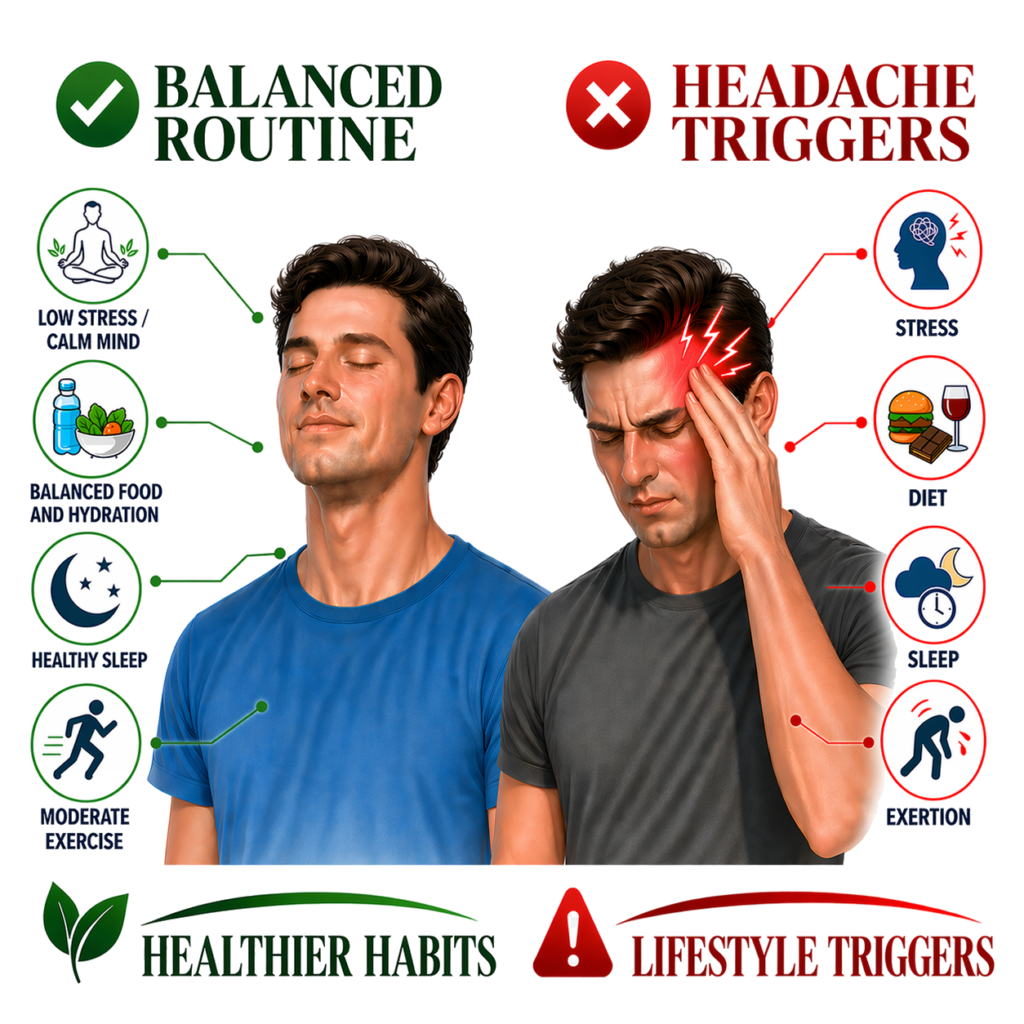
Daily habits, stress patterns, food choices, sleep, and activity levels can all influence how often headaches or migraines show up.

Common lifestyle triggers may include:

  • Stress And Emotional Strain: Acute stress and chronic emotional tension can contribute to headaches, increase neck and shoulder tightness, and make migraine symptoms more intense.
  • Dietary Factors: Certain foods and drinks — including caffeine, alcohol, nitrates, aged cheeses, irregular meals, and dehydration — may trigger headaches for some people.
  • Sleep Patterns: Too little sleep, inconsistent sleep, and sometimes even oversleeping can provoke migraine attacks or contribute to tension headaches.
  • Physical Exertion: Sudden or intense exercise — especially when your body is not used to it — can trigger headaches in some people, particularly when hydration, warm-up, or recovery is poor.

Muscle tension, joint restriction, and poor movement patterns can all contribute to headaches, migraines, and pressure through the head, neck, and shoulders.

When the neck, jaw, shoulders, or upper back are not moving well, the surrounding muscles often work harder than they should. Over time, that tension can build into head pain, stiffness, and recurring flare-ups.

Common muscular and joint factors may include:

  • Neck Joint Restriction: Limited movement in the neck can increase strain through the upper spine and contribute to headache patterns that start at the base of the skull.
  • Upper Back Stiffness: When the upper back is stiff or rounded forward, the neck often compensates, creating more tension through the shoulders and head.
  • Tight Shoulder Muscles: Tension through the traps, shoulders, and upper back can feed into the neck and create pressure that travels into the head.
  • Jaw Tension: Clenching, grinding, or holding stress in the jaw can contribute to temple pain, facial tension, neck tightness, and headache symptoms.
  • Poor Postural Endurance: If the muscles that support your head, neck, and spine fatigue quickly, your body may fall into positions that increase strain and trigger symptoms.
  • Repetitive Strain: Long hours at a desk, phone use, driving, lifting, or repeated one-sided movements can overload the same muscles and joints again and again.
  • Compensation Patterns: When one area is not moving well, nearby areas often pick up the slack. That compensation can create tension chains from the upper back into the neck, jaw, and head.
  • A Proper Movement Assessment: A focused evaluation can help identify whether muscle tension, joint restriction, posture, or movement habits are contributing to recurring headaches or migraines.

Healthy blood flow and nerve communication matter because your brain, neck, muscles, and tissues all rely on steady circulation and clear signals to function well.

When circulation is reduced, nerves are irritated, or muscles stay tense for too long, headache and migraine symptoms can become more frequent, more intense, or harder to calm down.

Key factors to pay attention to include:

  • Neck Tension And Restricted Movement:
    Tight muscles and limited neck mobility can create pressure through the upper spine, shoulders, and base of the skull — areas commonly connected with tension headaches.
  • Nerve Irritation:
    Irritated nerves in the neck or upper back may contribute to pain patterns that travel into the head, temples, forehead, jaw, or behind the eyes.
  • Poor Posture And Forward Head Position:
    When the head drifts forward, the neck and upper back have to work harder to support it. Over time, that added load can increase muscle tension and headache pressure.
  • Circulation Stress:
    Dehydration, poor movement habits, prolonged sitting, and muscle tightness can all affect how well tissues receive oxygen, nutrients, and recovery support.
  • Jaw, Shoulder, And Upper Back Tension:
    Clenching, rounded shoulders, stress posture, and tight upper-back muscles can feed into neck tension and increase headache sensitivity.
  • Movement Breaks Matter:
    Gentle movement, posture resets, walking, stretching, and breathing breaks can help reduce stiffness, support circulation, and calm tension before it builds.
  • A Proper Assessment Helps:
    If headaches keep returning, an evaluation can help identify whether spinal movement, muscle tension, nerve irritation, posture, or lifestyle factors may be contributing.

Your environment can quietly load stress onto your nervous system, eyes, neck, and shoulders — and that can contribute to headache and migraine flare-ups.

Common environmental triggers to watch for include:

  • Bright Or Flickering Light: Harsh lighting, fluorescent bulbs, screen glare, sunlight through windows, or flashing light can increase eye strain and trigger headaches or migraine symptoms for some people.
  • Screen Glare And Poor Display Setup: Monitors that are too bright, too dim, too low, or positioned at an awkward angle can force your eyes and neck to work harder throughout the day.
  • Strong Smells Or Chemical Irritants: Perfumes, cleaning products, smoke, fumes, air fresheners, and strong odours may trigger headaches or migraines, especially in enclosed spaces with poor ventilation.
  • Noise And Sensory Overload: Loud environments, constant background noise, crowded spaces, or long exposure to sensory stimulation can make symptoms worse for people prone to headaches or migraines.
  • Weather And Pressure Changes: Shifts in weather, humidity, temperature, or barometric pressure may be connected to headache patterns for some people. Tracking symptoms can help reveal these patterns.
  • Poor Air Quality: Dust, allergens, smoke, mould, dry air, or poorly ventilated rooms can irritate the body and may contribute to sinus pressure, tension, or headache symptoms.
  • Heat And Dehydrating Conditions: Hot rooms, long sun exposure, dry indoor air, or physical activity without enough fluids can increase dehydration risk and may make headaches more likely.
  • Workstation Stress: A desk setup that pulls your head forward, rounds your shoulders, or keeps your neck rotated can add daily strain that builds into tension headaches over time.

Some headaches are connected to underlying medical conditions, infections, inflammation, hormone changes, nerve irritation, or other health concerns.

When headaches feel new, unusual, severe, or different from your normal pattern, it is important to take them seriously and get the right evaluation.

Medical factors that may contribute to headaches or migraine-like symptoms can include:

  • Sinus Or Allergy Issues: Sinus pressure, congestion, allergies, or sinus infections can create facial pressure, forehead pain, and head discomfort — though migraine symptoms can sometimes feel similar.
  • Infections And Fever: Viral illness, sinus infections, or other infections can trigger head pain. Headache with fever, stiff neck, confusion, vomiting, or unusual symptoms should be evaluated urgently.
  • Hormonal Changes: Hormone shifts can influence migraine patterns for some people, especially when symptoms seem to follow a predictable monthly, pregnancy-related, or menopause-related pattern.
  • Blood Pressure Or Circulation Concerns: Changes in blood pressure, circulation, or cardiovascular health may contribute to headache symptoms and should be discussed with a healthcare provider when symptoms are new, severe, or recurring.
  • Medication Or Caffeine Changes: Some headaches can be affected by medication use, medication overuse, caffeine changes, missed doses, or withdrawal patterns. A healthcare provider can help review what may be contributing.
  • Jaw, Dental, Or TMJ-Related Issues: Jaw tension, clenching, grinding, dental irritation, or TMJ dysfunction can contribute to temple pain, facial tension, neck tightness, and headache symptoms.
  • Head Or Neck Injury: Headaches after a fall, collision, whiplash, sports injury, or accident should be taken seriously — especially if symptoms include dizziness, blurred vision, confusion, nausea, or worsening pain.
  • Neurological Or Serious Red Flags: Sudden severe headache, weakness, numbness, speech changes, vision changes, seizures, confusion, fever with stiff neck, or a headache that feels dramatically different should be treated as urgent.

Symptoms Signaling a Need for Help:

Experiencing the following symptoms can indicate that it’s time to seek professional help:

  • Localized or General Pain: Pain on one or both sides of your head, or a sensation like a band tightening around your head, can be a sign of a headache. Severe pain that impedes daily activities and worsens in bright lights or during stress requires immediate attention.
  • Recurring Symptoms: Frequent headaches that disrupt your daily routine or migraines with nausea, blurred vision, or throbbing pain.
  • Sensory Sensitivity: Increased sensitivity to sounds, lights, or smells often accompanies severe headaches or migraines, indicating a need for medical evaluation.
  • Physical Debilitation: If headaches or migraines leave you feeling physically weak, unable to move without discomfort, or affect your ability to sleep or concentrate, it’s essential to consult a healthcare professional.

At Mcleod Street Chiropractic, We Believe People Deserve to Be Healthy & Live Their Best Life

Risk Factors

Several factors can increase your likelihood of experiencing severe headaches or migraines:

Biological Sex

Biological sex influences headaches and migraines, with women being more prone due to hormonal fluctuations, especially during menstruation, pregnancy, and menopause, increasing migraine frequency.

Genetic Predisposition

Genetic predisposition plays a significant role in headaches and migraines, making individuals more likely to experience them if there is a family history of these conditions.

High-stress

High stress can trigger tension headaches and migraines by causing muscle tension, hormone imbalances, and increased sensitivity to pain, leading to more frequent episodes.

Poor Ergonomic Setups

Poor ergonomic setups, such as improper desk or chair positioning, can cause muscle strain in the neck and shoulders, leading to tension headaches and increased migraine risk.

Inconsistent Sleep Patterns

Inconsistent sleep patterns disrupt the body's natural rhythms, leading to increased stress and fatigue, which can trigger both tension headaches and migraines.

Dehydration & Poor Diet

Dehydration and a poor diet can lead to imbalances in electrolytes and blood sugar, triggering headaches and migraines by causing fatigue, muscle cramps, and brain fog.

Book Your Appointment

Get answers. Reduce tension. Move through your day with more confidence.

$ 0 B
billion dollars of annual healthcare costs and lost productivity
0 %
of sufferers are unable to work or function normally during their migraine
0 th
Migraine is the 6th most disabling illness in the world.
0 %
of chronic migraine sufferers are women.

When to Take Action for Headache & Migraine Relief

While all pain deserves attention, certain headache and migraine symptoms may signal something more serious and should be evaluated quickly.

Seek immediate medical consultation if you experience:

  • New Headaches After Age 50:
    Headaches that first develop later in life can sometimes point to a more serious underlying health concern.
  • A Change In Pattern:
    A major, sudden, or unusual change in the frequency, location, intensity, or pattern of your headaches should not be ignored.
  • Severe Or Escalating Pain:
    Head pain that is unusually severe, comes on suddenly, feels like the worst headache you have had, or escalates quickly.
  • Symptoms With Head Pain:
    Headaches accompanied by nausea, dizziness, visual changes, blurred vision, or sensitivity to light and sound.
  • Pain Triggered By Movement:
    Head pain that increases with routine actions like coughing, bending, straining, exertion, or sudden movement.
  • Neurological Changes:
    Confusion, decreased alertness, memory issues, slurred speech, weakness, numbness, seizures, personality changes, fever, or stiff neck.
  • Eye Pain Or Head Injury:
    Redness or pain in the eye, tenderness near the temples, or headache following a fall, accident, or head injury.
  • Daily Life Disruption:
    Headaches or migraines that interrupt work, sleep, driving, exercise, concentration, or normal daily activities — especially if the pain wakes you from sleep.
  • Persistent Pain:
    Head pain that does not improve with rest, hydration, lifestyle changes, or over-the-counter medication.
  • Special Health Conditions:
    New or worsening headaches in people with a history of cancer, compromised immune systems, or other significant medical concerns.
  • Cardiovascular Risk Discussion:
    Some research has linked migraines in men with a higher risk of cardiovascular events, including heart attack. If you are a man experiencing migraines, it is worth discussing your headache history and cardiovascular risk factors with your doctor.

Early and accurate evaluation can help identify what is driving your symptoms, guide the right next step, and reduce the risk of missing a more serious underlying condition.

It's Easy To Get Started

Headache & Migraine Assessment

Start with a focused evaluation to understand what may be contributing to your headaches or migraines — including neck movement, posture, muscle tension, nerve irritation, lifestyle factors, and symptom patterns.

Personalized Relief Strategy

Based on your assessment, we’ll create a care plan focused on reducing tension, improving mobility, supporting better spinal function, and addressing the underlying factors contributing to your symptoms.

Targeted Headache Care

Begin chiropractic care and supportive recommendations designed to calm irritation, reduce neck tension, restore movement, and help your body function better.

Clearer Days, Better Function

Get back to working, focusing, sleeping, moving, and living with more confidence — with a plan that supports better comfort and long-term spinal health.

Ready To Get Headache And Migraine Pain Under Control?

Tips to Prevent Headaches & Migraines

Reduce tension, support your neck, and protect your day before head pain takes over.

Tip 1: Develop a Robust Stress-relief Routine

Regular relaxation practices can help reduce stress-related tension, calm the nervous system, and lower the chance of stress-induced headaches.

Build simple daily habits that help your body release tension before it turns into head, neck, or migraine-related pain:

  • Daily Practice:
    Set aside a few minutes each day for deep breathing, meditation, gentle yoga, or guided relaxation to help maintain a calmer mental and physical state.
  • Mindfulness Training:
    Bring more awareness into everyday activities so you can notice stress, jaw clenching, shoulder tension, or posture strain before symptoms build.
  • Progressive Muscle Relaxation:
    Gently tense and relax different muscle groups to help release built-up tension through the neck, shoulders, jaw, and upper back.
  • Guided Imagery:
    Use calming visualization or guided audio to help your body shift out of stress mode and reduce the physical tension that can feed headaches.
  • Stress Check-Ins:
    Pause throughout the day to relax your jaw, drop your shoulders, slow your breathing, and reset your posture before tension compounds.

Your environment can either calm your nervous system — or quietly stack triggers that make headaches and migraines more likely.

Create “safe zones” at home, at work, and in your daily routine by reducing common sensory triggers:

  • Soften The Lighting: Use natural light when possible, reduce harsh overhead lighting, choose softer white bulbs, and avoid sitting directly under flickering or fluorescent lights.
  • Reduce Screen Glare: Use anti-glare screen protectors, adjust brightness to match the room, increase text size when needed, and position screens so your eyes and neck are not working harder than they should.
  • Control Noise Levels: Lower background noise when possible, use rugs or curtains to absorb sound, and consider noise-canceling headphones in louder environments.
  • Improve Air Quality: Keep rooms well-ventilated, reduce exposure to strong odours, and consider an air purifier if allergens, dust, smoke, or chemical smells seem to trigger symptoms.
  • Create A Calm Recovery Space: Set up one low-stimulation area where you can rest when symptoms start — dim lighting, quiet surroundings, comfortable posture support, and easy access to water.
  • Track Your Triggers: Notice patterns around light, sound, smells, weather changes, screens, sleep, stress, and posture so you can identify which environmental factors affect you most.

What you eat, drink, skip, or change suddenly can influence headache and migraine patterns for some people.

Use simple tracking and steady daily habits to better understand what may be triggering your symptoms:

  • Keep A Food Diary: Track what you eat and drink, when symptoms appear, how intense they feel, and what else was happening that day — including sleep, stress, hydration, screens, and activity.
  • Stay Hydrated: Drink water consistently throughout the day. Dehydration is a common headache trigger and can also make muscle tension, fatigue, and brain fog feel worse.
  • Avoid Skipping Meals: Irregular eating patterns, long gaps between meals, or sudden blood sugar dips may contribute to headaches or migraine symptoms in some people.
  • Watch Common Food Triggers: Some people react to foods high in histamines, nitrates, aged cheeses, processed meats, artificial sweeteners, or heavily processed ingredients.
  • Be Careful With Caffeine Changes: Too much caffeine, too little caffeine, or sudden caffeine withdrawal can all affect headache patterns. Keep intake consistent and notice how your body responds.
  • Reduce Processed Foods: Highly processed foods may contain additives, excess sodium, preservatives, or ingredients that can worsen symptoms for some people.
  • Look For Patterns, Not Panic: The goal is not to fear food — it is to identify repeat patterns so you can make smarter choices and avoid unnecessary triggers.

Regular exercise can support better circulation, reduce stress, improve sleep, ease muscle tension, and help lower headache frequency over time.

Build a balanced routine that includes aerobic movement, strength training, mobility, and flexibility:

  • Stay Consistent: Aim for regular weekly movement, such as moderate walking, cycling, swimming, or other activities that help your body stay active without overloading your neck and shoulders.
  • Build Strength Gradually: Strengthening the upper back, shoulders, core, and postural muscles can help reduce strain through the neck and support better alignment throughout the day.
  • Add Flexibility And Mobility: Gentle stretching and mobility work can help reduce stiffness through the neck, shoulders, upper back, jaw, and spine — areas that often contribute to headache tension.
  • Warm Up First: Start gradually so your muscles, joints, and nervous system have time to prepare. Sudden intense exercise can trigger headaches for some people.
  • Cool Down Properly: Ease out of workouts with slower movement, breathing, and gentle stretching to help prevent post-exercise tension or headache flare-ups.
  • Hydrate Before And After: Drink water before, during, and after activity. Dehydration can contribute to headaches, fatigue, muscle tightness, and poor recovery.
  • Track Exercise Triggers: Notice whether certain workouts, heat, dehydration, skipped meals, or sudden intensity changes trigger symptoms so you can adjust your routine safely.

Quality sleep plays a major role in headache prevention, nervous system recovery, muscle relaxation, and migraine management.

Build a consistent sleep routine that helps your body wind down, recover, and reduce common headache triggers:

  • Keep A Consistent Schedule: Go to bed and wake up around the same time each day to help regulate your body’s internal clock and reduce sleep-related headache triggers.
  • Create A Sleep-Friendly Room: Use a comfortable mattress and pillows, keep the room cool, reduce noise, and consider blackout curtains to limit light that may disrupt sleep quality.
  • Support Your Neck Overnight: Choose a pillow that helps keep your head, neck, and spine aligned so your muscles are not fighting poor positioning while you sleep.
  • Build A Wind-Down Routine: Try calming habits before bed, such as reading, light stretching, deep breathing, a warm bath, or soothing music to signal that it is time to rest.
  • Reduce Late Screen Exposure: Bright screens, intense scrolling, and late-night work can keep your nervous system alert and may contribute to eye strain, neck tension, or poor sleep.
  • Track Sleep Patterns: Notice whether headaches are worse after short sleep, irregular sleep, oversleeping, waking with neck stiffness, or sleeping in an awkward position.

Reducing mental clutter, physical chaos, and daily stress triggers can help lower tension and decrease the likelihood of stress-related headaches.

Create more calm, clarity, and breathing room in your daily life:

  • Declutter Your Space: Organize your living and work areas to reduce visual chaos, improve focus, and create a calmer environment for your mind and body.
  • Manage Your Time: Prioritize important tasks, break bigger projects into smaller steps, and give yourself enough margin so the day does not feel constantly rushed.
  • Reduce Decision Fatigue: Use simple routines, planned meals, organized calendars, and repeatable habits to reduce the number of small decisions draining your energy each day.
  • Build In Recovery Time: Schedule short breaks, quiet moments, walks, or breathing resets so stress does not build all day without release.
  • Protect Your Peace: Limit unnecessary noise, clutter, screen overload, and overcommitting where possible so your nervous system has more room to settle.
  • Make Time For Joy: Regularly engage in hobbies, social connection, music, nature, reading, creativity, or relaxing activities that help your body shift out of stress mode.
  • Notice Your Stress Signals: Pay attention to jaw clenching, shoulder tension, shallow breathing, irritability, and mental overload — these can be early signs that your body needs a reset.

Mindful eating can help support steady energy, better hydration, healthier muscle function, and fewer headache-triggering swings throughout the day.

Fuel your body in a way that supports overall health and helps you better understand your headache patterns:

  • Eat A Balanced Diet: Include a variety of fruits, vegetables, whole grains, lean proteins, and healthy fats to give your body the nutrients it needs to function well.
  • Keep Meals Consistent: Skipping meals or going too long without food can contribute to energy dips, tension, and headache patterns for some people.
  • Support Hydration: Pair nourishing meals with steady water intake throughout the day so dehydration does not quietly add to headache risk.
  • Monitor Your Reactions: Pay attention to how your body responds to certain foods, drinks, meal timing, caffeine, sugar, and processed ingredients.
  • Adjust Based On Patterns: If you notice certain foods or habits repeatedly trigger symptoms, adjust your intake thoughtfully instead of guessing or cutting everything at once.
  • Choose Nutrient-Dense Foods: Prioritize foods that support stable energy, healthy muscles, and recovery — especially when stress, poor sleep, or screen time are already adding strain.
  • Keep It Sustainable: The goal is not perfection. It is building simple, repeatable nutrition habits that help your body feel more stable, supported, and resilient.

Gain Your Elite Advantage

Actionable Tips And Insights For Winning Your Day