Special

New patient special: $39understand your body. Move forward with confidence.

Special

$39 New PatientMove with confidence

Living With

Back Pain?

Ready To Get Your Back Moving Better? Less pain. More movement. More life on your terms.

Reduce the strain. Restore better movement. Live with fewer limits.

chiropractor performing a spinal adjustment on a patient to alleviate back pain.
Shawn Parsons

Patient

"The full package. This man has fixed more things with me than I realized were broken. I was “working myself to death”, when I first came here. He took me from a very bad state of health to being very energetic, active, and eliminated my anxiety. He has given me back my life!" -Shawn

Leonie Lamothe

Patient

"Michel Brosseau is an extremely knowlegeable and very competent chiropractor. Éliane the assistant/ receptionist is very welcoming and very accomodating. My husband and I have been patients at McLeod Street Chiropractic for a few hears now and we are very pleased with Michel Brosseau’s treatments and ongoing maintenance ." -Leonie

Michael Smith Dragon

Patient

"Dr Brosseau is kind and professional. He did a thorough assessment of me and sent me for x-rays. X-ray showed that I need surgery. Thus Dr Brosseau doesn't recommend Chiropractic treatment but that I should speak to my family doctor regarding my chronic problem. I appreciate Dr Brosseau giving me his honest professional opinion." -Michael

Jennie May Ellis

Patient

"I've been a patient of Dr. Brosseau's for a bit over a year and I'm so greatful. He has treated the osteoarthritis in my neck along with other spinal and hip alignment issues. It's been fantastic! I have recommended him to members of my family and they've had excellent results too. I go to him regularly now to keep everything in-line and working fine!" -Jennie

Shawn Cook

Patient

"Dr. Brosseau patiently took a digital scan and physical assessment and clearly defined the strategy for treatment. It was agreed that I would receive an adjustment that day and walked out of there feeling better. I returned weekly for subsequent visits. Dr Brosseau is very professional and extremely knowledgeable in many areas of care." -Shawn

Eva Lopéz

Patient

"Went in for a work injury and Dr. Brosseau gave me an adjustment and put my rib back in place. He had me fixed in one visit. Best chiropractic experience. His receptionist Ashley is professional and absolutely lovely." -Eva

Shayne Beausoleil

Patient

"Dr Brosseau cares about his patients and has helped me with many issues." -Shayne

Tammy-lynn Wilcox

Patient

"Dr. Brosseau and Ashley (receptionist) are both very professional, and personable. You are greeted with smiles and friendly conversation each visit. Dr. B makes you feel very comfortable with his knowledge-base, taking time to answer questions as they present. While also keeping you on your toes, by laughing (or shaking your head with a smirk) at his quirky jokes." -Tammy-lynn

Miss. Doll

Patient

"Friendly staff. If you have any kind of pain, the doctor will do his best to help relieve it. I’ve only had one adjustment and I feel the results already!!!" - Miss. Doll

Susanne Buott

Patient

"He is honest, dedicated, knowledgeable and professional with a witty sense of humor that brightens every visit. The receptionist is also very friendly and personable and the office has a warm, welcoming atmosphere. I drive all the way out from Chelmsford twice a week for my visits and it is definitely worth it!" -Susanne

96.5% Patient Satisfaction

happy patient after successful chiropractic session.
Smiling patient after successful treatment.
patient expressing satisfaction after effective pain management treatment.
content patient leaving clinic after receiving personalized care.
patient feeling relieved and satisfied after a successful therapy session.

Life Is Too Short For Nagging Back Pain.

Move Better.
Live Freer.

Because your back should not decide how much life you get to enjoy.

Back Pain Overview

Understand The Strain. Get Moving Again.

Back pain can steal your comfort, movement, sleep, work, energy, and confidence — but you do not have to accept it as normal.

Each year, up to 65 million people in North America grapple with back pain, making it one of the most common sources of discomfort and a serious thief of joy. At McLeod Street Chiropractic, we help patients better understand what may be contributing to their pain so care can focus on relief, better movement, and getting back to the activities they love.

Symptoms That Signal A Need For Help

Back pain can show up in different ways. These symptoms may indicate that your spine, joints, muscles, nerves, or movement patterns need a closer look.

Sharp, Shooting, Or Stabbing Pain: Sudden or intense pain that makes normal movement, bending, lifting, sitting, or standing more difficult.

Persistent Aching Or Burning: Ongoing discomfort that keeps returning, lingers through the day, or interferes with sleep, work, and daily routines.

Pain That Radiates Down The Leg: Discomfort that travels into the hip, buttock, thigh, calf, or foot and may suggest nerve irritation or referred pain.

Numbness Or Tingling: Nerve-related symptoms, especially in the legs, feet, arms, hands, or other extremities.

Pain That Worsens With Movement: Pain that gets worse with lifting, twisting, bending, standing, sitting, or basic daily activity.

Back Pain Can Be Acute, Subacute, Or Chronic

Your habits, routine, accident, or injury can all contribute to back pain. Chiropractic care may support people through different stages of back pain — from sudden onset discomfort to persistent pain that has lasted for weeks or months.

Common Causes Of Back Pain

Back pain can come from many different sources, including posture, joint restriction, muscle tension, movement patterns, stress, lifestyle demands, accidents, or injury. Dr. Michael Brosseau can help evaluate what may be contributing to your symptoms and recommend a personalized care plan focused on long-term relief — not just temporary fixes.

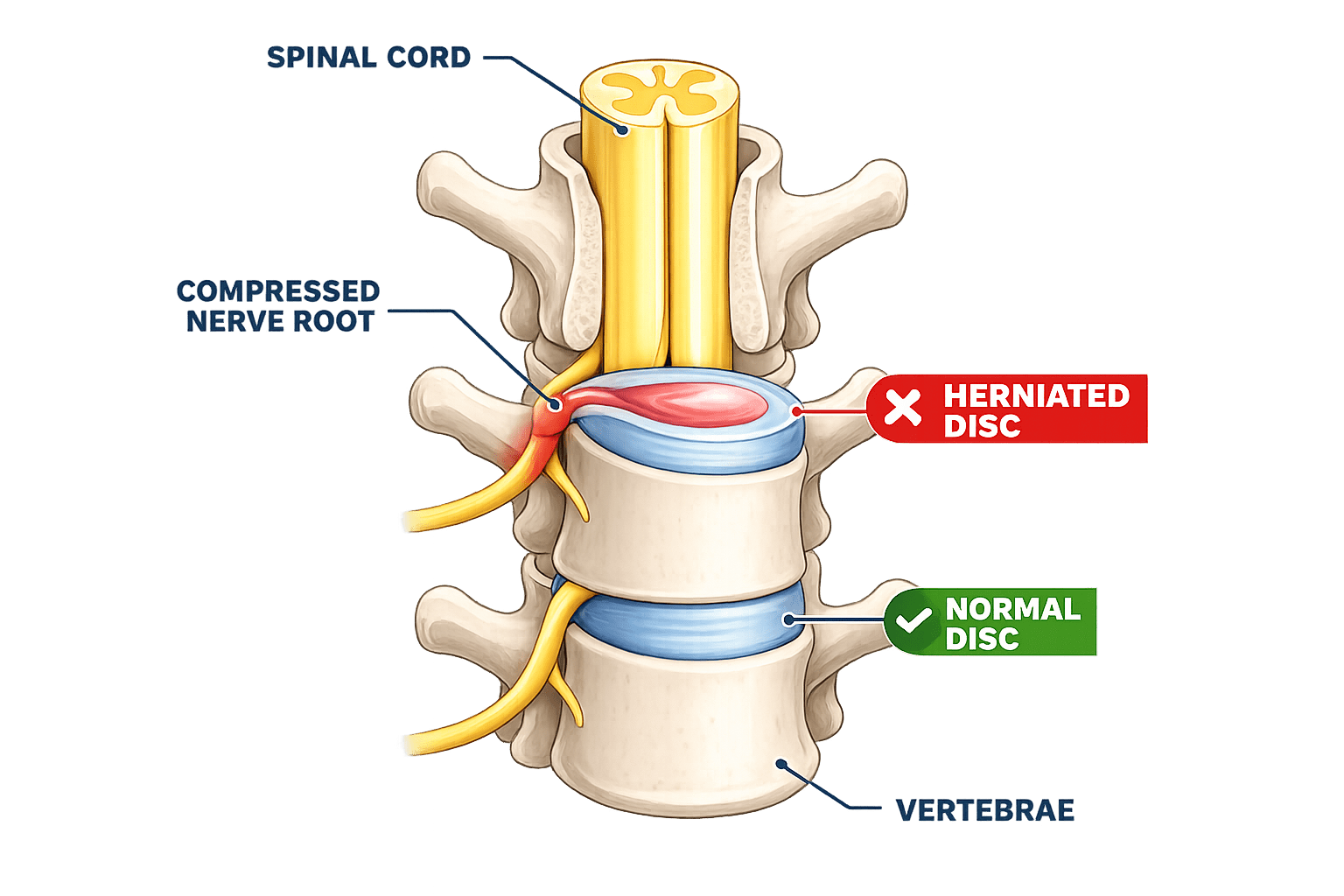
Disc Herniation


Common Cause

Disc Herniation

In Sudbury, disc herniation is a common spinal issue where the soft inner center of a disc pushes through a tear in its tougher outer layer.

When that disc material presses on or irritates nearby nerves, it can lead to sharp pain, numbness, tingling, or weakness — often felt through the neck, low back, arms, or legs.

The longer the nerve stays irritated, the more stubborn those symptoms can become. A proper assessment helps identify what is being compressed, how your body is compensating, and what needs to happen so you can begin moving and functioning better again.

Relief first. Then better movement, better function, and a clearer plan for lasting recovery.

Common Cause

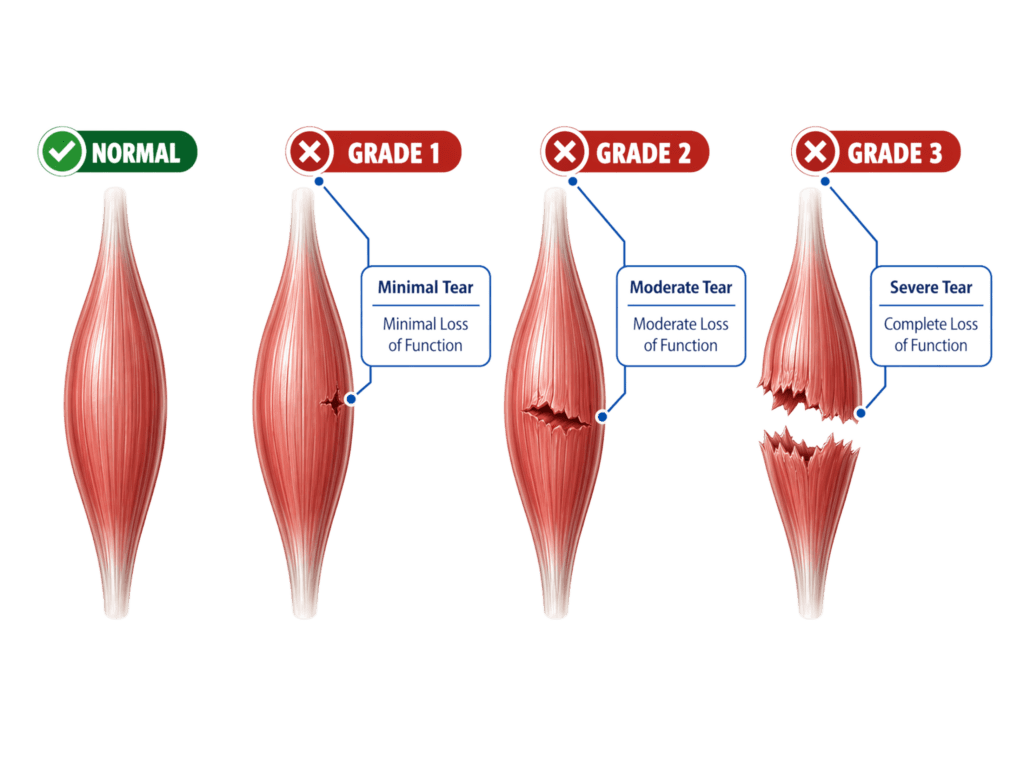
Muscle or Ligament Strain

Many Sudbury residents experience muscle or ligament strain from repeated heavy lifting, sudden twisting, or awkward movements that overload the back.

When the muscles and ligaments around the spine are irritated or overstretched, it can trigger tightness, inflammation, spasms, stiffness, or frequent back pain that makes normal movement feel harder than it should.

A sedentary lifestyle, poor posture, weak core support, or poor physical conditioning can make the problem easier to flare up — and harder to fully settle down without the right plan.

Calm the strain. Then restore better movement, better support, and stronger day-to-day function.
Common Cause

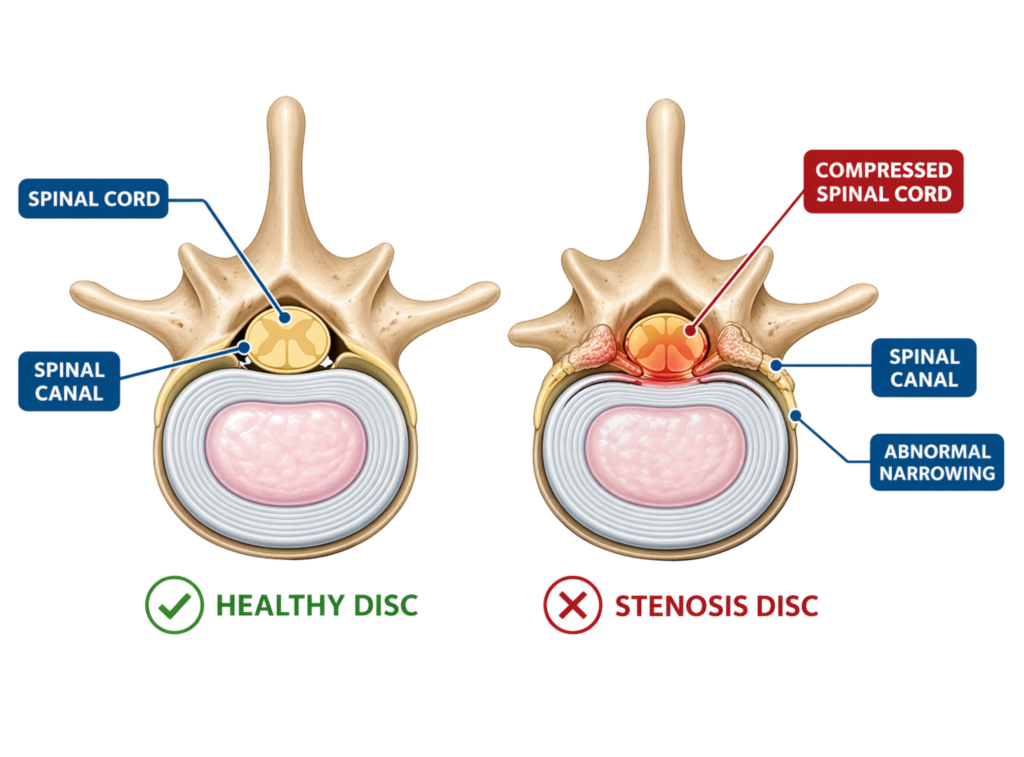
Spinal Stenosis

Spinal stenosis happens when the space inside the spinal canal becomes narrowed, which can place added pressure on the spinal cord or nearby nerves.

For many adults in Greater Sudbury, this is most often felt in the lower back and may contribute to pain, tightness, numbness, weakness, or discomfort that makes walking, standing, or moving normally feel more difficult.

The right assessment helps determine where the narrowing is happening, how your nerves are being affected, and what kind of care plan can help support better comfort, movement, and day-to-day mobility.

Reduce pressure. Then improve comfort, mobility, and confidence in how your body moves.
Common Cause

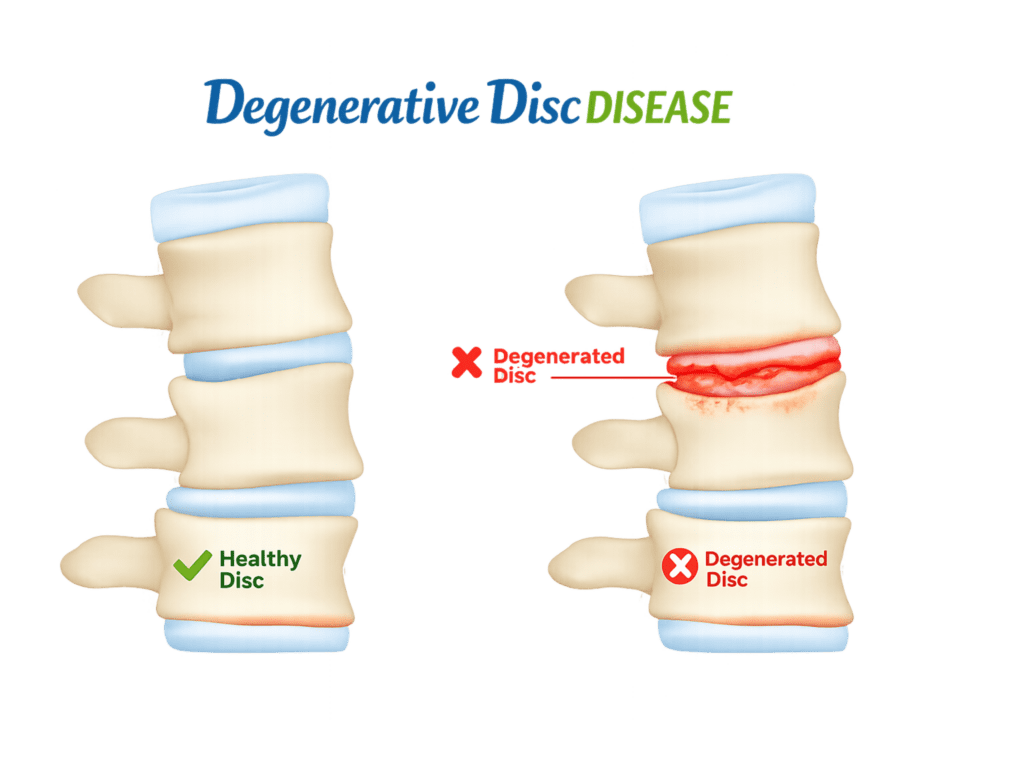
Degenerative Disc Disease

Degenerative disc disease is a common condition in Sudbury that can happen as the spinal discs gradually wear down over time.

This wear and tear may be related to aging, daily activities, sports, repetitive stress, old injuries, or years of spinal pressure that slowly change how the discs absorb shock and support movement.

Symptoms can range from mild stiffness or aching to more serious pain that limits work, exercise, sleep, and everyday life. A proper assessment helps identify how your spine is moving, where irritation is building, and what type of care can help support better comfort and function.

Support the spine. Then reduce irritation, improve movement, and help your body function better day to day.

You deserve to be healthy, feel better, and live your best life — Chiropractic Helps.

Risk Factors

Back pain can affect anyone.

But certain lifestyle, health, posture, and movement factors can make your spine more vulnerable to irritation, strain, and recurring pain.

Understanding these risk factors can help you take smarter steps to protect your spine, improve daily function, and reduce the chance of back pain becoming an ongoing problem.

Bad Posture

Poor posture habits, like slouching or hunching over, can cause chronic back pain, muscle tension, and negatively impact overall health and energy levels over time.

Sitting too Long

Prolonged sitting can lead to poor circulation, muscle stiffness, and increased risk of chronic conditions like obesity, heart disease, and back pain.

Low-Levels of Activity

Low activity levels can result in weight gain, decreased muscle strength, poor cardiovascular health, and a higher risk of chronic diseases like diabetes and heart disease.

Improper Lifting Techniques

Improper lifting techniques can cause muscle strains, back injuries, and long-term damage to the spine, reducing overall mobility and strength.

Sudden or Rapid Movements

Sudden or rapid movements can lead to muscle strains, joint injuries, and an increased risk of accidents, especially if the body is not properly warmed up.

Accident Proneness

Accident proneness can result from poor coordination, lack of awareness, or weakened muscles, increasing the risk of falls and injuries in daily activities.

Ready To Get Your Back Moving Better?

Get relief. Move easier. Function better. Live with fewer limits.

0 %
of Adults Suffer
From Back Pain
0 th
Most Costly
Condition in North
America
0 M
Canadians See
a Chiropractor
1,000,00 0
Adjustments
Daily

When to Seek Treatment

While individual preferences differ — from early-stage preventative care to support for more chronic issues — successful treatment starts with an accurate diagnosis.

If you are experiencing numbness, severe pain that does not improve, or pain after an injury, it may be time for a more comprehensive evaluation to understand the root cause.

  • Feeling numbness and tingling in your back, neck, or extremities

  • Having severe pain that hasn’t improved with a little time or medication

  • Lingering pain that’s the result of a fall or injury

Your Path To Better Movement

It’s Easy To
Get Started

A focused, supportive process designed to help you understand what may be driving your back pain, reduce unnecessary strain, and move toward better movement, better function, and fewer limits.

1

Find What’s Holding Your Back Back

Start with a thorough back pain evaluation designed to look at what may be contributing to your symptoms — including posture, spinal motion, muscle tension, range of motion, compensation patterns, lifestyle demands, and daily movement habits.

2

Build Your Spine Strategy

Based on your assessment, Dr. Brosseau will recommend a personalized care plan focused on what your body actually needs — not just chasing pain from one day to the next.

3

Reduce The Strain

Begin targeted chiropractic care and supportive therapies designed to improve spinal movement, reduce tension, calm irritation, support better function, and help your body move with less resistance.

4

Move Better. Live Freer.

As your back starts moving and functioning better, the goal is simple: less pain, more confidence, and fewer limits in your work, sleep, family time, routines, and daily life.

Ready For Relief?

Ready To Get Your Back Moving Better?

Take the next step toward less strain, easier movement, better function, and living with fewer limits.

How to Help Prevent Back Pain

Small daily habits can make a big difference for your back.

Tip 1: Stand Tall

Better posture can reduce daily strain on your back and help prevent small tension from turning into recurring pain.

Start with these simple posture habits:

  • Avoid Slouching: Keep your head stacked over your shoulders and your shoulders aligned over your hips instead of rounding forward, especially while sitting, working, or using devices.
  • Support Long Standing: When standing for longer periods, rest one foot on a low stool and alternate sides to reduce strain through your lower back, hips, and spine.
  • Sit With Better Alignment: Keep your feet flat, knees bent comfortably, hips supported, shoulders relaxed, and your spine upright instead of collapsed forward.
  • Raise Your Screen: Bring your phone, tablet, or monitor closer to eye level so your neck, shoulders, and upper back are not constantly pulling downward.

A better setup can reduce daily stress on your back and help prevent stiffness, strain, and recurring pain.

Make your workspace and daily movements easier on your spine:

  • Use Supportive Seating: Choose a chair that supports your lower back, has comfortable armrests, and allows you to move or swivel without twisting your spine.
  • Keep Proper Alignment: Sit with your knees level with your hips. If your feet do not comfortably reach the floor, use a footrest to keep your body supported.
  • Change Positions Often: Shift your position at least every 30 minutes to help prevent muscle stiffness, joint irritation, and unnecessary strain through your back.
  • Lift Smarter: Avoid heavy lifting when possible. When lifting is necessary, use your legs, keep your back straight, avoid twisting, and hold the item close to your body.

Regular movement helps keep your back stronger, more flexible, and better supported throughout the day.

Build more back-friendly movement into your routine:

  • Exercise Regularly: Choose activities that help strengthen your back and core, such as walking, swimming, yoga, or gentle mobility work.
  • Break Up Inactivity: If you sit or stand for long periods, take short movement breaks to walk around, stretch, and reset your posture.
  • Strengthen Your Support: Add exercises that build lower back, abdominal, hip, and core strength so your spine has better support during daily movement.
  • Improve Flexibility: Use gentle stretching routines to support flexibility through your spine, hips, and neck, helping reduce the likelihood of strains and injuries.

Better sleep positioning can reduce stress on your spine and help your back recover more comfortably overnight.

Set your sleep environment up to support your back:

  • Choose The Right Mattress: Use a mattress that supports the natural curve of your spine without letting your body sink too deeply. Medium-firm support often works well for many people.
  • Sleep In A Supported Position: Try sleeping on your back or side in a position that helps maintain the natural curve of your spine. Avoid sleeping on your stomach when possible.
  • Use A Supportive Pillow: Choose a pillow that keeps your head, neck, and spine aligned so your back is not compensating for poor positioning while you sleep.

Proper hydration and nutrition can help support healthier spinal tissues, stronger bones, and better day-to-day back function.

Give your spine the support it needs from the inside out:

  • Stay Hydrated: Drinking enough water helps support the elasticity and fluid movement of the tissues, joints, and discs that help your spine move well.
  • Support Strong Bones: Calcium and vitamin D both play an important role in bone health, which is essential for a strong, well-supported spine.
  • Choose Calcium-Rich Foods: Add foods like dairy products, leafy greens, fortified cereals, and other calcium-rich options to help support spinal strength.
  • Get Enough Vitamin D: Vitamin D can come from sunlight, fatty fish like salmon, fortified foods, or supplements when appropriate.
  • Ask Before Supplementing: If you are unsure about your calcium or vitamin D intake, speak with your healthcare provider about whether supplementation makes sense for you.

Gain Your Elite Advantage

Actionable Tips And Insights For Winning Your Day